Keyword Analysis in SEO: The 2025 Guide to Intent-Driven Ranking
What is Keyword Analysis?
Keyword analysis is the cornerstone of any successful SEO strategy. It is the process of discovering, evaluating, and prioritizing the search terms that a target audience uses to find solutions, products, or information. According to Search Engine Land, it is not just about bringing visitors to your site; it's about bringing the right visitors.
In the past, keyword analysis often meant finding phrases with the highest search volume. However, modern SEO requires a deeper understanding. It involves analyzing the competition, the relevance, and most importantly, the user intent behind the query.
🚀 Finding Low-Competition Keywords?
If you're looking to automate your keyword analysis, our Long Tail Keyword Generator is the perfect tool. It specifically targets the KGR method to find "hidden gem" keywords that represent high-value, low-competition opportunities.
The Shift in 2025: Intent Over Volume
As we move into 2025, the landscape of search is changing. With the rise of AI overviews and semantic search, Google is better than ever at understanding what a user means, not just what they type. This aligns perfectly with advanced metrics like those discussed in our guide on KGR, EKGR, and KDROI.
The Rise of Informational Intent
Recent statistics indicate a massive shift in how people use search engines. Data shows that over 52% of search queries describe an informational intent ("how to," "what is," "guide"), while transactional queries ("buy," "coupon") make up a much smaller fraction.
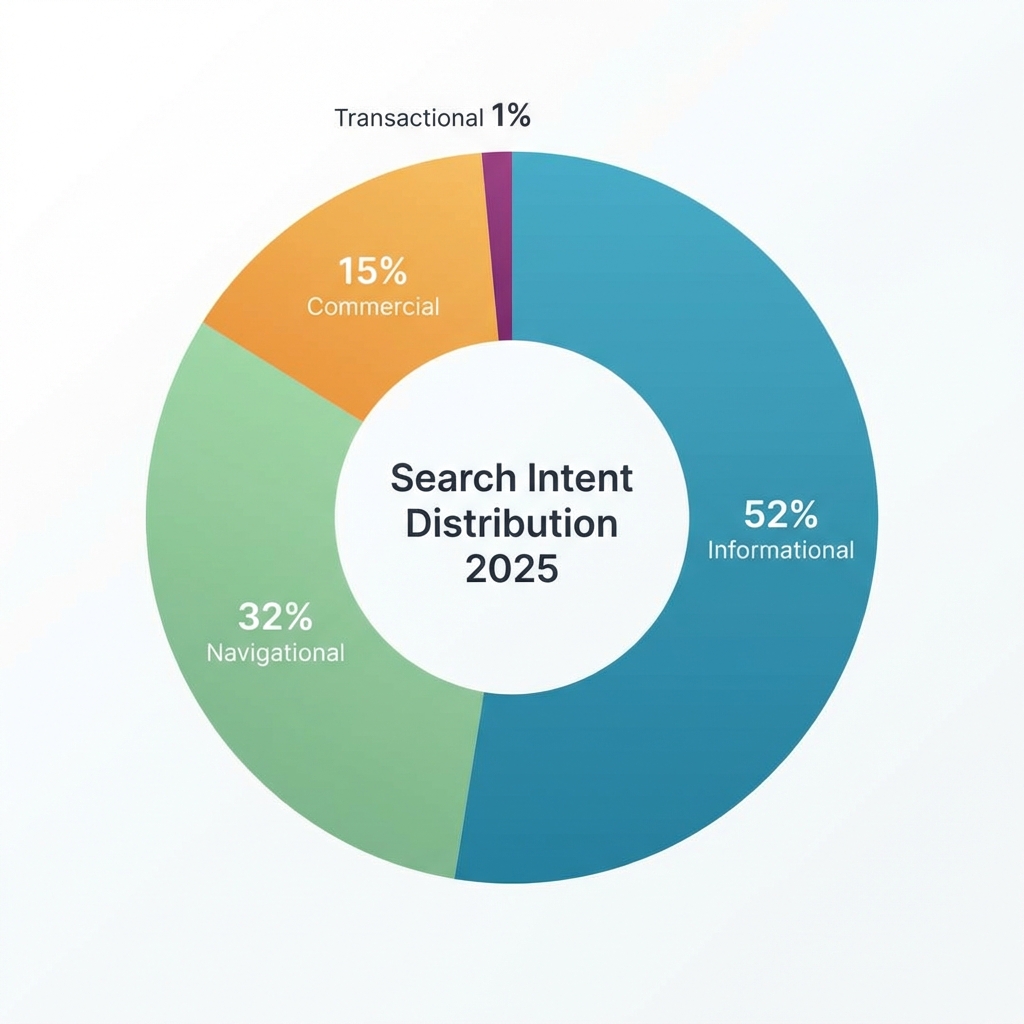
This means that if your content strategy focuses solely on selling, you are missing out on over half of your potential audience. Keyword analysis in 2025 must prioritize creating helpful, informational content that builds trust before trying to convert.
Step-by-Step Guide to Effective Analysis
To perform keyword analysis that meets Google's EEAT (Experience, Expertise, Authoritativeness, and Trustworthiness) standards, follow these steps:
1. Brainstorm Seed Keywords
Start with the core topics of your business. If you sell coffee makers, your seeds might be "coffee," "espresso," and "brewing."
2. Analyze Metrics, Not Just Volume
Don't just look for the big numbers. Look for:
- Keyword Difficulty (KD): How hard is it to rank? For new sites, target KD < 30.
- Trend: Is the keyword interest growing or dying? Use Google Trends to verify.
- Cost Per Click (CPC): High CPC often indicates high commercial value, even if volume is low.
3. Classify by Intent
Before you write a single word, categorize your keyword list:
- Informational: "How to clean a coffee maker" (Create a blog post)
- Commercial: "Best coffee maker 2025" (Create a review or comparison page)
- Transactional: "Buy espresso machine" (Create a product page)
Top Authoritative Tools
To get accurate data, you need reliable tools. Here are the industry standards used by experts:
- Google Keyword Planner: The gold standard for raw search data directly from Google. Best for PPC but essential for SEO volume checks.
- Semrush: excellent for competitor analysis and seeing exactly what keywords your rivals are ranking for.
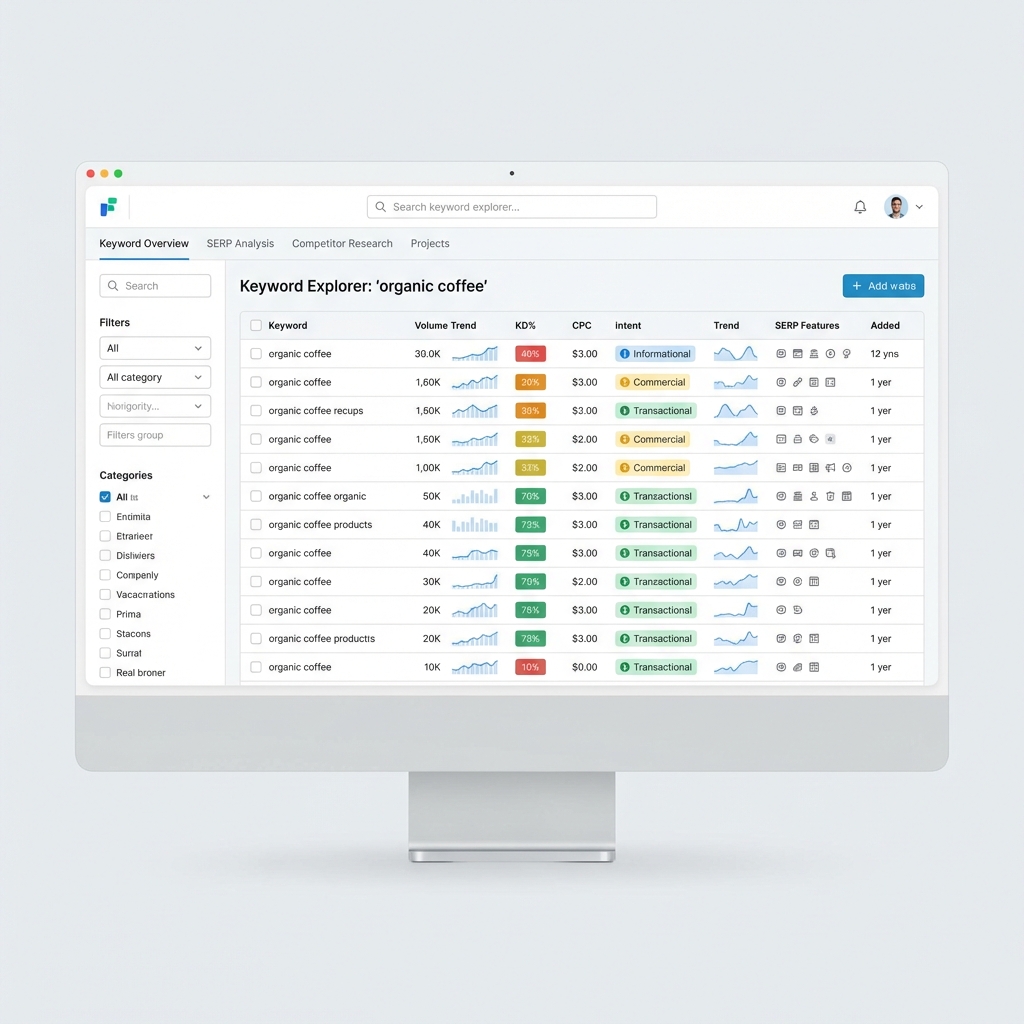
- Ahrefs: Known for its superior backlink data and "Keyword Explorer" which gives great click-stream data.
Conclusion
Keyword analysis in 2025 is no longer a numbers game—it's an empathy game. It's about understanding the human behind the search. By focusing on intent, leveraging deep research tools, and creating content that genuinely helps the user, you align your site with Google's goal: organizing the world's information.
Start auditing your keyword list today. Remove the vanity metrics, and focus on the terms that drive real business value.